There’s a certain kind of humor that doesn’t translate outside the entertainment industry. It doesn’t need explanation for those who have lived it, but it often leaves outsiders confused.
It’s the kind of humor that comes from shared experiences — long days on set, last-minute changes, unexpected problems, and the small, repetitive moments that define production life.
For cast and crew members, these inside jokes are more than just jokes. They are a way of processing the reality of the work, building connections, and finding lightness in an environment that can often be demanding.
The Language of the Industry
Every industry develops its own language, but in entertainment, that language evolves quickly.
Terms like “we’ll fix it in post,” “just one more take,” or “quick reset” carry meaning that goes beyond their literal definition.
To someone outside the industry, they may sound straightforward. But for those on set, they often signal something entirely different:
- “Just one more take” might mean several more
- “Quick reset” can take much longer than expected
- “We’ll fix it in post” can become a running joke
These phrases become part of a shared understanding — and eventually, part of the humor.
Humor as a Coping Mechanism
Production environments are intense.
There are tight schedules, creative pressure, technical challenges, and constant coordination between departments. Even on the most well-organized sets, things don’t always go as planned.
Humor becomes a way to manage that pressure.
A well-timed joke can ease tension. A shared laugh can reset the mood. And sometimes, humor is the only thing that keeps the day moving forward.
It’s not about avoiding the work. It’s about surviving it in a healthy way.
The “Only We Get It” Moments
There are moments on set that, if explained to someone outside the industry, wouldn’t seem funny at all.
But for those who were there, they become unforgettable.
- Waiting hours for a setup that appears simple on screen
- Repeating the same line dozens of times
- Adjusting lighting by small increments that take significant time
- Coordinating large teams for a shot that lasts seconds
These moments build over time, and eventually, they turn into shared stories — and shared humor.
The Role of Repetition
Repetition is a core part of production.
Scenes are rehearsed, blocked, and shot multiple times. Movements are repeated. Dialogue is delivered again and again.
While this repetition is necessary for quality, it also creates opportunities for humor.
Subtle changes in delivery, unexpected reactions, or small mistakes can break the pattern and create moments of laughter.
These moments don’t disrupt the process — they enhance it.
Breaking the Tension
There are times on set when the pressure is high.
Deadlines are approaching. The schedule is tight. Everyone is focused.
In these moments, humor can act as a reset.
A quick comment, a shared look, or an inside joke can shift the energy just enough to keep things moving without adding stress.
This ability to balance seriousness with lightness is part of what makes strong teams effective.
The Evolution of Inside Jokes
Inside jokes don’t appear instantly. They develop over time.
It might start with a small mistake, a repeated phrase, or a moment that stands out. As the production continues, that moment becomes a reference point.
By the end of the project, it becomes part of the team’s shared identity.
These jokes often outlast the production itself. They become stories that are told again in future projects, connecting past experiences with new ones.
Building Team Chemistry
Strong teams are not built on skill alone. They are built on trust, communication, and shared experiences.
Humor plays a role in all three.
When people can laugh together, they communicate more openly. They become more comfortable expressing ideas, asking questions, and supporting each other.
This creates an environment where collaboration becomes easier and more effective.
When Humor Doesn’t Translate
One of the interesting aspects of industry humor is that it doesn’t always translate outside the context in which it was created.
An inside joke that feels significant on set may seem confusing or unimportant to someone who wasn’t there.
This isn’t a limitation — it’s part of what makes it meaningful.
It belongs to the people who experienced it.
The Balance Between Professionalism and Personality
While humor is valuable, it exists alongside professionalism.
Knowing when to joke and when to focus is part of understanding the environment. The most effective teams are those that can balance both.
They know when to keep things light and when to stay focused on the task at hand.
This balance creates a productive and positive working environment.
The Role of Leadership
Leadership on set influences the tone of the environment.
Directors, producers, and department heads set expectations, but they also shape the culture.
When leaders allow space for humor, without losing control of the process, it creates an environment where people feel comfortable and engaged.
This doesn’t reduce professionalism — it enhances it.
Humor Across Departments
Every department experiences production differently, but humor connects them.
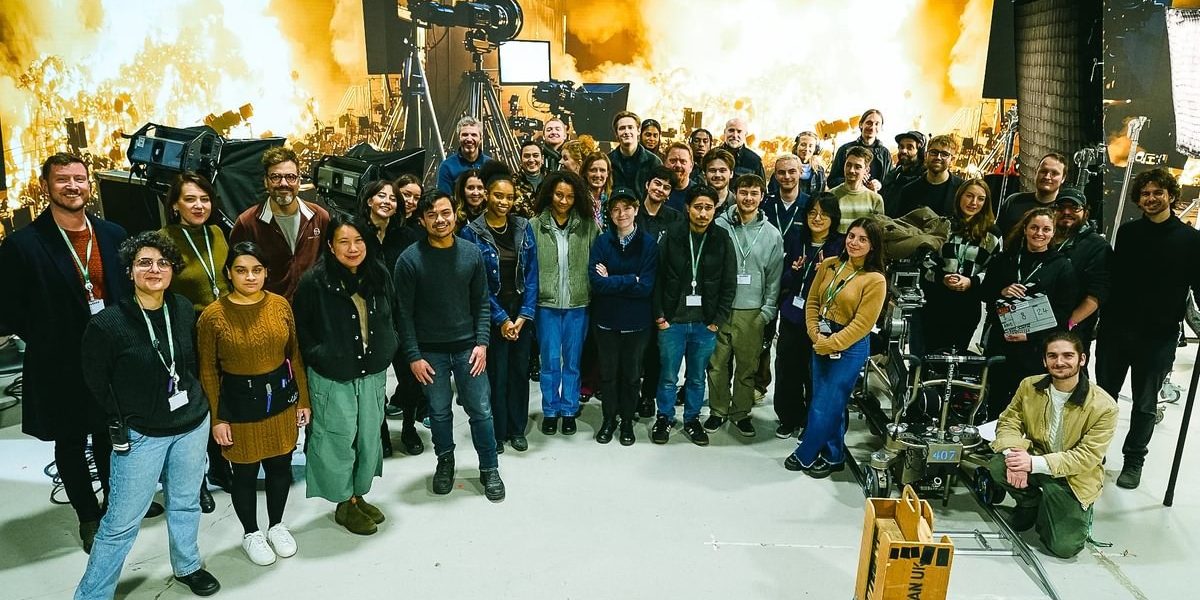
Camera teams, sound teams, lighting crews, performers — each group has its own challenges and its own perspective.
Inside jokes often cross these boundaries, creating connections between departments that might not interact as closely during work.
This shared humor strengthens the overall team.
Why It Stays With You
Long after a project ends, people may forget specific details — exact schedules, minor technical challenges, or small adjustments.
But they remember how they felt.
And often, what they remember most are the moments of humor.
The unexpected laughs. The shared jokes. The moments that made a long day feel shorter.
These memories become part of the experience.
A Reflection of the Journey
Industry humor is not separate from the work. It is a reflection of it.
It comes from the same experiences, the same challenges, and the same environment.
It tells a story — not just of what was created, but of how it was created.
Final Thoughts
Inside jokes and industry humor may not make sense to everyone, and they don’t need to.
They are part of the culture that exists within the entertainment industry.
They represent shared experiences, teamwork, and the ability to find lightness in demanding situations.
For those who have been on set, they are a reminder that even in the most structured and high-pressure environments, there is always space for connection.
And sometimes, the moments that make you laugh are the ones that stay with you the longest.
These are the pieces that prove it — find them at Cast & Crew Market →