
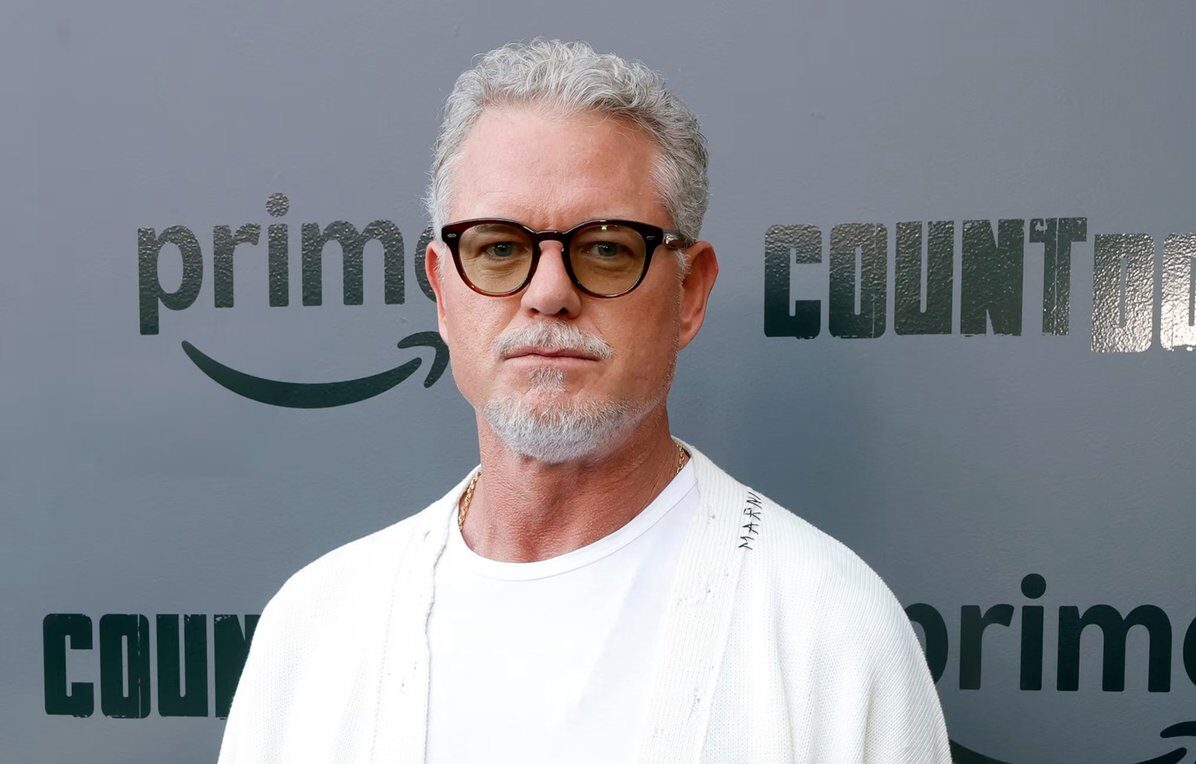
In a tragic turn of events, Eric Dane, best known for his iconic roles as Dr. Mark “McSteamy” Sloan in the long-running medical drama “Grey’s Anatomy” and as the troubled father Cal Jacobs in HBO’s critically acclaimed series “Euphoria,” has passed away at the age of 53. His death on February 19, 2026, followed a courageous battle against amyotrophic lateral sclerosis (ALS), a progressive neurodegenerative disease that he publicly disclosed in April 2025.
The Journey with ALS
Dane’s health concerns were made known during a revealing interview with ABC’s Diane Sawyer in June 2025. In a candid discussion, the actor shared the physical challenges that the illness imposed on him, stating, “My left side is functioning; my right side has completely stopped working.” He expressed a fear that he may lose the use of his left hand within months, highlighting the rapid progression of ALS and how it profoundly impacted his life and career.
A Storied Career
Eric Dane’s illustrious career spanned decades and was marked by diverse performances across multiple platforms. He gained prominence for his role in “Grey’s Anatomy,” where he played a charismatic plastic surgeon whose on-screen journey resonated with audiences. His portrayal of Mark Sloan not only earned him fame but also solidified his legacy as one of the notable characters in television history.
In addition to his work on “Grey’s Anatomy,” Dane showcased his versatility as an actor with his role as Cal Jacobs in “Euphoria.” This complex character, a father grappling with personal demons, allowed Dane to demonstrate his full range of acting abilities and emotive depth, earning him acclaim in what is often regarded as one of the most impactful series of contemporary television.
Community Reaction
The news of Eric Dane’s passing reverberated across social media platforms, eliciting an outpouring of grief from fans and former colleagues alike. Many took to these platforms to share personal anecdotes about how his work had influenced their lives. One fan poignantly noted, “Grew up watching Grey’s Anatomy, a great show host in Eric. The world has lost a great lad.” Another user lamented, “First McSteamy, now Cal… Eric Dane was such a talent. ALS is a cruel disease. Rest in peace.” These heartfelt tributes underscore the strong connection viewers felt with Dane and his characters.
Conversations About ALS
The conversation around Dane’s death quickly transitioned into discussions about ALS, known medically as Lou Gehrig’s disease. ALS is characterized by the degeneration of nerve cells in the brain and spinal cord, leading to a progressive loss of muscle control and function. With no known cure, the disease poses an immense challenge for those diagnosed. The urgency of raising awareness about ALS was palpable, as fans and advocates shared educational resources on the condition, emphasizing the need for research and advocacy.
Legacy and Advocacy
Throughout his illness, Dane’s commitment to raising awareness and advocating for ALS research did not go unnoticed. In his final months, instead of retreating from the public eye, he chose to fight for the cause dedicated to improving the lives of those affected by the disease. His efforts left a meaningful impact on both the community and his fans. A former co-star noted, “Eric Dane spent his final months fighting for ALS research instead of quietly fading out,” underscoring the determination and strength he exhibited during his battle.
Memories from Colleagues
In the wake of his passing, former cast members of “Grey’s Anatomy” and “Euphoria,” including Kim Raver, have shared moving memories of Dane, celebrating his life and contributions to the television landscape. Their tributes highlight the profound loss felt not only in the entertainment industry but also among the fans who have long admired his talent and charisma.
As the television community mourns the loss of Eric Dane, his legacy lives on through the memorable characters he portrayed and the heartfelt stories he helped tell over the years. His journey serves as a reminder of the fragility of life and the enduring power of storytelling.